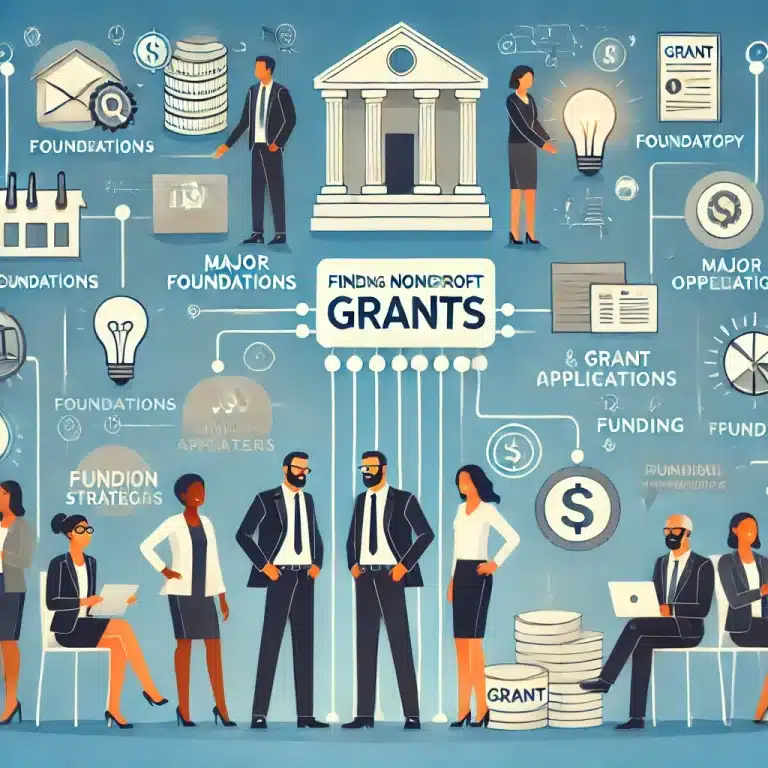
Where can nonprofits find foundation funding information? Use current grant research tools to discover possible funders, public filings to understand reported activity, and the funder’s own guidelines to confirm eligibility and application procedures. If you need a list of the largest foundations, first define whether “largest” means assets, grants paid, or another measure, and compare the same reporting period.
A large grantmaker is not automatically a suitable prospect. The foundation may support a different geography, restrict its programs, use an invitation process, or fund a type of work that differs from yours. A useful prospect list explains why an organization belongs on it and what you must verify before contacting it.
This guide helps nonprofit leaders, development teams, and grant researchers move from a broad list to a qualified research plan. The resource collections below are starting points for investigation. They are not current rankings, verified open grant opportunities, or promises that any listed organization will accept an application.
Define what you mean by the largest foundations
Foundation lists can use different measures and produce different results. Assets describe resources reported at a point in time. Grants paid describe a form of spending over a reporting period. Total expenses, contributions received, and commitments can represent different activities. Before comparing organizations, identify the metric, entity, period, and source behind each number.
A ranking that mixes years or combines unlike measures can be misleading even when individual figures came from real filings. A historical list can support background research, but it should not be described as a current ranking without a consistent method and up-to-date evidence. This article does not assign ranks or reproduce unsupported giving totals.
For practical grant prospecting, begin with alignment rather than size. A funder with relevant priorities and an accessible application process may warrant investigation before a larger organization whose work does not match your program. The useful question is what evidence makes the prospect worth your team’s next hour.
Choose research tools for discovery, verification, and action
| Research stage | Source to investigate | What to establish |
|---|---|---|
| Discovery | Candid and other grant research platforms | Potential mission, geography, and historical funding connections |
| Context | Public filings and annual reports | What an identified organization reported for a specific period |
| Current application decision | Funder website and official opportunity guidelines | Eligibility, application access, deadlines, required materials, and contacts |
Candid’s funding research resources describe tools for researching funders, giving history, and relevant opportunities. Its current offering uses Candid search terminology. You may also encounter older references to Foundation Directory or GuideStar in existing resource lists. Review current access and feature information rather than relying on an old product description.
Other platforms in the resource collection may support different discovery or tracking needs. Before paying, test the information against your actual workflow. Consider coverage, update practices, useful filters, export limits, team access, and whether the tool helps distinguish a historical recipient from an open opportunity. A larger collection of records does not remove the need for verification.

Use public filings for historical context
The IRS Tax Exempt Organization Search provides access to available organization information and returns. Match the correct legal entity and EIN. A familiar public name may sit within a broader structure, and similarly named organizations should not be combined without checking their identities.
ProPublica Nonprofit Explorer offers a searchable way to explore public filings. When you identify relevant material, note the reporting year and read the underlying document where needed. A recently accessed filing can still describe earlier activity.
Historical giving can generate a research question, such as whether a foundation has supported a similar program. It does not establish that the same program is open now, that the recipient type remains eligible, or that the next award will have a similar amount. Confirm the current guidelines before drafting a request.
Build a qualified foundation prospect worksheet
Use one row for each identified organization and maintain a source link for each material observation. The worksheet should make uncertainty visible. A blank answer is a question to resolve, not a reason to invent a favorable assumption.
- Identity: Legal name, public name, EIN where relevant, and official website.
- Mission connection: The specific priority that may match your proposed work.
- Geography: The places the funder supports and the places your program actually serves.
- Applicant requirements: Eligible entities, exclusions, and any required affiliations.
- Support type: Whether the opportunity concerns a project, general operations, capital work, research, or another defined purpose.
- Application access: Open application, inquiry process, invitation, or information not yet established.
- Timing: Published deadlines, decision information, and the date you verified them.
- Capacity: Staff time and information needed to prepare, deliver, and report on the work.
- Next action: Apply, ask an allowed question, continue research, monitor, or remove from the active list.
Do not turn the worksheet into a numerical probability of funding without a defensible basis. Its purpose is to organize judgment and improve the quality of your decisions. A simple, well-documented “not eligible” can save more time than a detailed but poorly supported prospect score.
Research by cause and geography together
Start with the program you can actually deliver. Describe the people served, location, activities, intended outcomes, and resources required. Then investigate funders whose stated priorities may connect with that work. Avoid redesigning the mission around a broad list of appealing grant topics.
For local programs, investigate regional philanthropic networks and community foundation resources alongside national databases. A funder’s headquarters does not necessarily identify the geography it supports. A national name does not automatically indicate nationwide eligibility. The program’s published geography is what matters for a specific application.
For education, healthcare, housing, arts, environment, youth, or other subject areas, distinguish direct grantmakers from professional networks, research organizations, service charities, and directories. All can be useful research resources, but they perform different roles. Appearing in a subject-area collection should not be treated as evidence of an available grant.

Check application access before writing a proposal
Read the official instructions for the current cycle. Identify whether the funder accepts unsolicited requests, requires an initial inquiry, limits applicants, or directs questions through a specific channel. Do not assume a publicly available contact address is an invitation to submit an application.
Confirm deadlines and required attachments early. Determine whether you have the necessary budget, program information, leadership approval, and reporting capacity. If a requirement is unclear, use the contact method the funder allows. Keep the answer with your research notes so the team does not repeat the same uncertainty later.
An invitation-only process may justify monitoring future opportunities or learning more about the field. It does not justify bypassing published instructions. Keep research, relationship building, and an authorized application process distinct.
Plan the staffing behind a grant strategy
A research list needs someone to maintain it. A proposal needs accurate program information and a realistic budget. An award may require implementation, records, communication, and reporting. Clarify those responsibilities before increasing the number of applications your team pursues.
A grant writer, development director, program lead, and finance professional can contribute different expertise. Define the gap you need to fill rather than assuming one hire can own every part of fundraising and delivery. If your organization is recruiting, review our grant writer hiring guide and fundraising job posting resources.
For professionals exploring this work, fundraising career paths and our foundation job search guide explain related roles. Funding research can inform career exploration, but a funder’s program list is not evidence of a current vacancy.
Foundation and nonprofit resource collections
The expandable collections retain useful external research links from this guide. Names and groupings provide a way to browse; they do not establish organization type, present funding priorities, application eligibility, or rank. Follow current official instructions before using a resource for a decision. Product names, organization names, and website destinations may change over time.
General foundation research
Where to Find Foundation Lists and Grantmaking Information
Global Foundation Lists
Corporate Foundations research links
- https://www.sanofi.us/en/about-us/corporate-social-responsibility
- https://www.novartis.us/corporate-responsibility/novartis-patient-assistance-foundation-inc
- https://about.bankofamerica.com/en-us/global-impact/charitable-foundation-funding.html
- https://walmart.org/
- https://www.jpmorganchase.com/about/our-approach/philanthropy
- https://www.ge.com/sustainability/philanthropy
- https://www.wellsfargo.com/about/corporate-responsibility/community-giving/
- https://www.citigroup.com/citi/foundation/
- https://www.coca-colacompany.com/shared-future/communities/the-coca-cola-foundation
- https://corporate.exxonmobil.com/community/overview/exxonmobil-foundation
- https://www.verizon.com/about/responsibility/verizon-foundation
- https://www.pnc.com/en/about-pnc/corporate-responsibility/philanthropy.html
- https://www.merck.com/company-overview/corporate-responsibility/
- https://www.caterpillar.com/en/company/caterpillar-foundation.html
- https://www.jnj.com/caring-and-giving
- https://www.intel.com/content/www/us/en/corporate-responsibility/intel-foundation.html
- https://www.metlife.com/sustainability/foundation/
- https://about.ups.com/us/en/social-impact/the-ups-foundation.html
- https://www.itw.com/corporate-responsibility/itw-foundation/
- https://www.lucasfilm.com/what-we-do/philanthropy/
- https://www.rb.com/responsibility/
- https://www.pepsico.com/our-impact/philanthropy/pepsico-foundation
- https://www.abbott.com/corpnewsroom/strategy-and-strength/abbott-fund.html
- https://www.medtronic.com/us-en/about/citizenship/philanthropy.html
- https://www.goldmansachs.com/citizenship/goldman-sachs-gives/
- The Borgen Project
Community Foundations
Private Foundations
Resources related to the Arts
- https://mellon.org/
- https://www.fordfoundation.org/
- https://kresge.org/
- https://knightfoundation.org/
- https://annenberg.org/
- https://www.ddcf.org/
- https://www.rockefellerfoundation.org/
- https://www.wallacefoundation.org/
- https://warholfoundation.org/
- https://www.pewtrusts.org/
- https://hewlett.org/
- https://www.irvine.org/
- https://surdna.org/
- https://www.terraamericanart.org/
- https://www.waltonfamilyfoundation.org/
- https://www.bloomberg.org/
- https://www.macfound.org/
- https://www.opensocietyfoundations.org/
- https://woodruff.org/
- https://www.bushfoundation.org/
- https://www.mcknight.org/
- https://www.heinz.org/
- http://www.grahamfoundation.org/
- https://lannan.org/
Resources related to Housing Initiatives
- https://www.fordfoundation.org/
- https://kresge.org/
- https://www.macfound.org/
- https://www.aecf.org/
- https://www.gatesfoundation.org/
- https://www.hiltonfoundation.org/
- https://jpbfoundation.org/
- https://melvilletrust.org/
- https://oakfnd.org/
- https://www.rwjf.org/
- https://www.rockefellerfoundation.org/
- https://hewlett.org/
- https://www.calendow.org/
- https://www.mcknight.org/
- https://www.tbf.org/
- https://www.clevelandfoundation.org/
- https://sff.org/
- https://oregoncf.org/
- https://www.cct.org/
- https://www.growyourgiving.org/
- https://www.nycommunitytrust.org/
- https://www.minneapolisfoundation.org/
- https://www.seattlefoundation.org/
- https://denverfoundation.org/
- https://cfgreateratlanta.org/
- National Low Income Housing Coalition
Resources related to Education
- https://www.gatesfoundation.org/
- https://www.waltonfamilyfoundation.org/
- https://www.fordfoundation.org/
- https://www.carnegie.org/
- https://hewlett.org/
- https://www.wallacefoundation.org/
- https://kresge.org/
- https://www.aecf.org/
- https://www.luminafoundation.org/
- https://www.mott.org/
- https://www.wkkf.org/
- https://www.bloomberg.org/
- https://www.rwjf.org/
- https://mellon.org/
- https://www.macfound.org/
- https://www.rockefellerfoundation.org/
- https://jpbfoundation.org/
- https://www.spencer.org/
- https://www.teaglefoundation.org/
- https://www.msdf.org/
- https://broadfoundation.org/
- https://www.edutopia.org/
- https://www.jkcf.org/
- https://wgf.org/
- https://www.sdbjrfoundation.org/
Resources related to Racial and Economic Justice
- https://www.wkkf.org/
- https://www.fordfoundation.org/
- https://hewlett.org/
- https://kresge.org/
- https://www.opensocietyfoundations.org/
- https://www.rwjf.org/
- https://www.calendow.org/
- https://sff.org/
- https://jpbfoundation.org/
- https://www.hiltonfoundation.org/
- https://www.aecf.org/
- https://www.rockefellerfoundation.org/
- https://www.macfound.org/
- https://mellon.org/
- https://www.packard.org/
- https://www.joycefdn.org/
- https://surdna.org/
- https://www.hyamsfoundation.org/
- https://nathancummings.org/
- https://novofoundation.org/
- https://www.caseygrants.org/
- https://www.barrfoundation.org/
- https://www.bushfoundation.org/
- https://www.mcknight.org/
- https://www.zsr.org/
Resources related to Environmental Initiatives
- https://www.rockefellerfoundation.org/
- https://www.fordfoundation.org/
- https://www.packard.org/
- https://kresge.org/
- https://www.mott.org/
- https://www.bezosearthfund.org/
- https://www.bloomberg.org/
- https://chanzuckerberg.com/
- https://ciff.org/
- https://www.moore.org/
- https://www.granthamfoundation.org/
- https://ikeafoundation.org/
- https://www.waltonfamilyfoundation.org/
- https://www.climateworks.org/
- https://www.nationalforests.org/
- https://kab.org/
- https://grassrootsfund.org/
- https://www.firstnations.org/
- https://www.highlandstreet.org/
- https://oregoncf.org/
- https://www.cfmt.org/
- https://www.clevelandfoundation.org/
- https://columbusfoundation.org/
- https://cbtrust.org/
- The Environmental Grantmakers Association
Resources related to Animal Welfare Initiatives
- https://good360.org/
- https://www.americanhumane.org/
- https://www.aspca.org/
- https://www.banfieldfoundation.org/
- https://www.animalgrantmakers.org/
- https://www.bissellpetfoundation.org/
- https://aaf-fd.org/
- https://petsmartcharities.org/
- https://www.foundanimals.org/
- https://www.openphilanthropy.org/
- https://thehumaneleague.org/
- https://faunalytics.org/
- https://wildanimalinitiative.org/
- https://sinergiaanimal.org/
- https://ali.fish/
- https://www.shrimpwelfareproject.org/
- https://www.fishwelfareinitiative.org/
- https://gfi.org/
- https://www.legalimpactforchickens.org/
- https://newroots.institute/
- https://www.ciftlikhayvanlarinikoruma.org/
- https://vegetarisk.dk/
- https://friendsofanimals.org/
- https://www.ifaw.org/
- ASPCApro’s Guide to Finding Foundations that Fund Animal Welfare
- Instrumentl’s List of Foundations Giving to Animal Protection & Welfare
- HumanePro’s Grants Listings
Resources related to Youth Programs
- https://www.wkkf.org/
- https://www.aecf.org/
- https://www.mott.org/
- https://www.wallacefoundation.org/
- https://www.skillman.org/
- https://www.dallasfoundation.org/
- https://www.clevelandfoundation.org/
- https://columbusfoundation.org/
- https://www.robinhood.org/
- https://www.lpfch.org/
- https://benandjerrysfoundation.org/
- https://www.danielsfund.org/
- https://www.highlandstreet.org/
- https://www.whascrusade.org/
- https://parktrust.org/
- https://allstatefoundation.org/
- https://www.kars4kids.org/
- https://www.goodsports.org/
- https://globalfundforchildren.org/
- https://www.wearefamilyfoundation.org/
- https://www.eisenhowerfoundation.org/
- https://www.yargfoundation.org/
- https://www.jpmorganchase.com/
- https://www.abbvie.com/
- Funding and Grant Resources for Nonprofits Focused on Youth Programs
- Grants for Youth Development Organizations
- Youth Development Fund – EMCF
Resources related to Mental Health Initiatives
- https://www.rwjf.org/
- https://www.bbrfoundation.org/
- https://www.thecignagroup.com/our-impact/esg/healthy-society/community/foundation/
- https://blankfoundation.org/
- https://wellcome.org/
- https://www.yabukifoundation.org/
- https://royalfoundation.com/
- https://archewell.com/
- https://www.hanleyfoundation.org/
- https://www.cwf-inc.org/
- https://www.autismspeaks.org/
- https://autismsciencefoundation.org/
- https://lovellfoundation.org/
- https://www.anthem.foundation/
- https://www.flutiefoundation.org/
- https://www.oneill-foundation.org/
- https://thetowerfoundation.org/
- https://www.danielsfund.org/
- https://coloradohealth.org/
- https://caringforcolorado.org/
- https://www.cthealth.org/
- https://afsp.org/
- https://www.thetrevorproject.org/
- Funding & Grant Resources For Mental Health Nonprofits
- Top 15 Grants for Mental Health Initiatives
- Grants for Mental Health Nonprofits to Maximize Impact
Resources related to Medical and Healthcare Initiatives
- https://www.gatesfoundation.org/
- https://www.rwjf.org/
- https://wellcome.org/
- https://www.kff.org/
- https://www.astrazeneca-us.com/sustainability/healthcare-foundation.html
- https://www.astellasglobalhealthfoundation.org/
- https://www.rockefellerfoundation.org/
- https://www.commonwealthfund.org/
- https://helmsleytrust.org/
- https://www.johnahartford.org/
- https://www.calendow.org/
- https://dukeendowment.org/
- https://macyfoundation.org/
- https://www.merckfoundation.com/
- https://www.siemens-foundation.org/
Review your prospect list before each application cycle
Choose a reasonable review process for your team. Check changes in priorities, deadlines, application access, and the information needed from colleagues. Record the last verification date, who reviewed the prospect, and why it remains relevant. Archive a prospect when the evidence no longer supports active work.
If you receive a decline, seek feedback only where the process allows it. Revisit the fit, proposal requirements, and program plan without assuming that a revised application will be welcomed or funded. Keep accurate records and use each decision to improve the next research conversation.
Questions about foundation lists and grant research
Where can I find a list of the largest foundations that give grants?
Use a mix of free and paid research tools. Start with public and nonprofit data sources, then graduate to comprehensive grant databases when you need deeper filtering, grant history, and funder intelligence.
How do I know if a foundation funds my type of nonprofit?
Review the foundation’s stated priorities and confirm fit by studying past grants and financial filings. Cross-check eligibility, geography, typical award size, and program alignment before you invest time in a proposal.
What are the biggest foundations that fund nonprofits?
Large private, corporate, and community foundations are major grantmakers. Use reputable rankings and databases to validate giving totals and identify which big funders match your mission and program area.
Can my nonprofit apply for multiple grants at the same time?
Yes. Many organizations run a portfolio approach. Tailor each application to the funder, maintain a tracking system for deadlines, and keep messaging consistent while customizing outcomes and budgets per grant.
What are the best free tools for researching grants?
Start with public tax and nonprofit data sources, then add nonprofit profile tools for validation and context. Free tools are ideal for early-stage discovery and shortlisting.
What are some paid databases for in-depth grant research?
Paid grant platforms are built for deeper filtering, grant history, funder contact workflows, and proactive opportunity alerts. They are especially helpful for sustained prospecting and pipeline management.
How do I write a compelling grant proposal?
Lead with a crisp need statement and measurable outcomes. Support your case with data, an implementable plan, and a realistic budget. Make the alignment to the funder’s priorities easy to see.
What types of foundations provide grants?
Common grantmakers include private foundations, corporate foundations, community foundations, and family foundations. Each type tends to differ in decision cycles, preferred programs, and application process.
How long does it take to get a grant?
Timelines vary widely. Many grants take several months from inquiry to award, depending on cycles, review cadence, and whether a funder requires LOIs, full proposals, or board approval.
What should I do if my grant application is denied?
Request feedback when available, refine your narrative and budget, and reapply when appropriate. Keep your pipeline active with additional prospects so a single “no” does not stall momentum.
Can new nonprofits apply for grants?
Often yes, but requirements differ. Some funders expect a track record, while others support early-stage work. If needed, explore fiscal sponsorship and prioritize local and smaller grantmakers first.
How do I find grants for my specific cause?
Use sector-focused funder lists and databases aligned to your mission area, then filter by geography, population served, and grant size. Validate shortlists by reviewing past awards and stated priorities.
Do foundations only give grants, or do they offer other funding options?
Some funders also offer matching programs, fellowships, scholarships, and program-related investments. Confirm the full menu of support options on each funder’s site and in their published materials.
Are there grants available for individuals?
Most grants are designed for organizations, but some funders support individuals in areas like arts, research, and entrepreneurship. Use specialized directories that explicitly index individual opportunities.
How do I increase my chances of getting funded?
Prioritize strong fit, follow guidelines precisely, and present measurable outcomes with credible evaluation. Relationship-building and consistent, well-managed submissions typically improve win rates over time.
Where to continue your research
For organization downloads, identifiers, and filing interpretation, read our nonprofit data and IRS records guide. For funding discovery, begin with Candid, the Grantsmanship Center, and official funder websites. Choose the source that answers the question you are asking, then document what you confirmed.
Reviewed October 26, 2026. Resource collections are unranked research starting points.