


Choose kids coloring books by the child’s interests, the page design, the materials available, and the purpose of the activity. For 2026 purchases and 2027 program planning, compare sample pages and current product details rather than relying on a best-of label. Free museum and science-agency printables can also provide useful options without buying a book.
Reviewed October 26, 2026. This guide offers selection questions and activity ideas, not a tested product ranking or a promise of developmental, academic, or therapeutic results. Prices, editions, availability, and permissions can change. Check the publisher or resource provider before ordering, printing multiple copies, or including material in a public program.
Begin with the child rather than the cover
Ask what the child enjoys drawing, reading about, or exploring. Animals, space, familiar places, imaginary worlds, and everyday activities can all provide starting points. Offer a small choice instead of assuming every child in a group will want the same subject. A popular theme is useful only if the participant wants to engage with it.
Look at the actual page design. Large areas, bold outlines, intricate patterns, labels, and reading demands create different experiences. A cover age range is a starting point, not an assessment of an individual child. Some children enjoy detail; others prefer an open page and more room to invent their own shapes.
Consider whether the child wants a structured image, free drawing, or both. Keep blank paper available alongside coloring pages. An adult can invite conversation without requiring a finished picture or judging whether the colors are realistic. The activity can remain a choice rather than another task with a right answer.
Compare five practical resource routes
The options below represent different formats and subjects. They are not ranked and were not evaluated through a controlled child-use test. Use their current pages to inspect examples, check terms, and decide whether the resource suits your purpose. An institutional resource can still require adult selection and explanation.
| Resource route | Possible use | What to check |
|---|---|---|
| NASA coloring collections | Space, Earth, flight, and science themes | Page complexity, related explanations, printing |
| NOAA art and ocean resources | Marine life and ocean discussion | Topic accuracy, instructions, permissions |
| Smithsonian family resources | Art, collections, and observation | Selected activity and context |
| Hopscotch Girls coloring book | Illustrations with affirmation themes | Sample language, interests, edition, cost |
| America the Coloring Journey | State and animal-themed page examples | Current listing, samples, format, availability |
Explore free NASA coloring resources
NASA’s coloring book collection links to free PDF resources across several mission-related subjects. NASA Space Place coloring pages provide another official route. Preview the specific file before selecting it for a child or group; complexity and the amount of supporting text vary.
Use a page as an invitation to ask a question. A child might color a spacecraft and then ask what a particular part does. Look up the answer together in an appropriate official resource. Keep imaginative coloring separate from factual claims: a playful picture can be enjoyable without being an accurate scale drawing or scientific diagram.
For a group, print a sample first and check that the lines are visible at the intended size. Provide the source beside the activity so staff can find any related instructions. A free file reduces the purchase expense, but paper, printing, preparation, and staff time still belong in the program budget.
Use ocean and museum collections as additional options
NOAA art activities and its ocean and marine-life printable collection provide official routes for ocean-related material. Choose the actual page or booklet after reviewing its content and instructions. A collection page may contain several kinds of activity, not just coloring sheets.
The Smithsonian kids resource page offers routes to creative activities, including coloring resources. A museum image can prompt observation: what shapes appear, what details stand out, and what would the child add? Explain the source and avoid presenting a single illustration as a complete account of a culture, period, or scientific topic.
Keep the provider’s credit and instructions with the selected material. Free access is not a reason to remove attribution or assume permission for every commercial use. For a public, fundraising, or distributed project, review the relevant terms and obtain clarification when needed before making commitments.
Evaluate affirmation-themed books by their actual language
I Am Confident, Brave & Beautiful from Hopscotch Girls is a publisher route retained from the earlier guide. Inspect the sample illustrations and words to decide whether they suit the intended participant. The publisher’s current page is the place to confirm the edition, price, and ordering details.
An affirmation can be a discussion prompt, but it should not create pressure to feel a certain way. A child may want to talk about the sentence, change it, or simply color the image. Let the adult’s response follow the child’s interest rather than requiring a statement of confidence or a personal disclosure.
Do not describe the book as a treatment, a guaranteed confidence builder, or a tool proven to improve school outcomes without appropriate evidence. This guide does not make those claims. Evaluate the resource as an optional creative activity with language and illustrations that may appeal differently to different children.
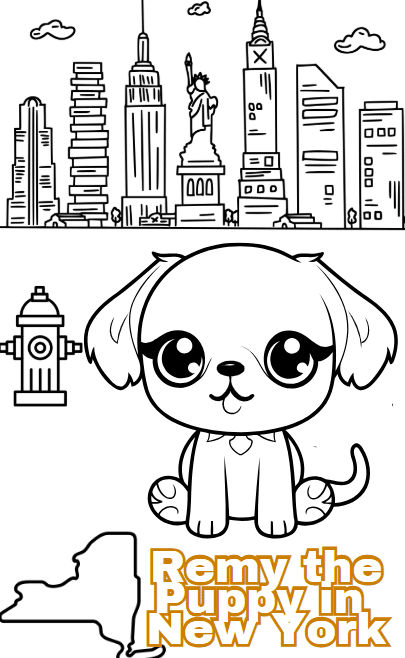
Review the existing America the Coloring Journey examples
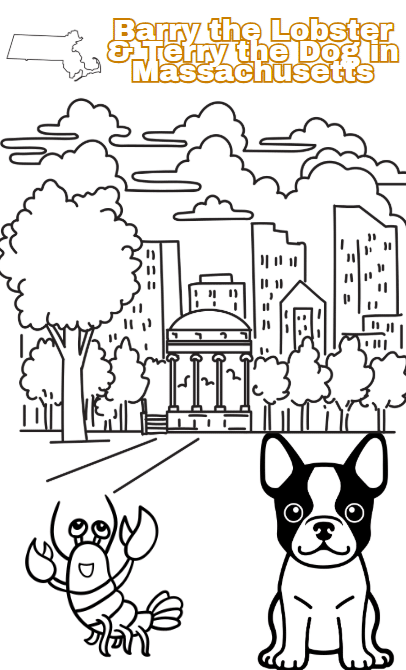
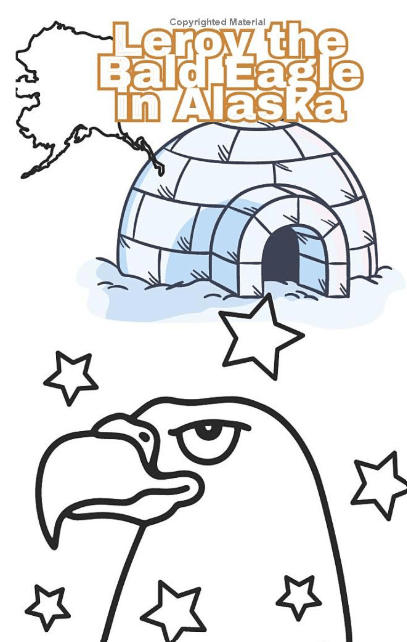
The earlier article featured America the Coloring Journey: Animals & U.S. States. Existing page images are retained here to help readers inspect the style and subject matter. Their presence is not a current stock check, a claim that the book was independently tested, or an award for the strongest coloring book of the year.
Use a state-themed page to begin a small research activity. Find the state on a separate current map, ask what the child notices, and look up a question about an animal or place. Do not assume every artistic element is a factual reference or that one page explains a state’s geography, communities, or wildlife.
Before buying, check the current listing’s title, format, sample pages, seller, delivery information, and return terms. If those details cannot be confirmed, keep the purchase decision open. A link retained from an older article should not be treated as proof that a particular edition or price remains available.
Choose materials for the setting and participants
Consider the available workspace, cleanup, storage, and supervision before selecting supplies. Check manufacturer guidance and your program’s policies for age appropriateness and safe use. A family table, library session, classroom, and outdoor event can require different materials. Do not assume the same setup works for every setting.
Offer practical choices where possible: different paper sizes, broader drawing tools, a stable work surface, or a page with more open space. Ask participants or caregivers about relevant access needs through an appropriate process. Avoid labeling a child as unsuccessful because a detailed page or a particular tool is not comfortable for them.
For a program serving children with specific needs, involve the appropriate qualified staff in planning. This article does not prescribe a clinical activity or assess development. An optional creative station can be adapted thoughtfully without claiming that the activity replaces educational support, occupational therapy, or individualized professional advice.
Plan a short activity with room for choice
A simple session can begin with a choice of pages and blank paper. Explain where the resources came from, show the available materials, and let children begin at their own pace. Offer conversation without interrupting every few minutes to direct the picture. A participant may prefer quiet concentration or discussion with another child.
If the session includes a learning question, keep it manageable. Ask what the child notices about the picture or what they would like to find out. Use an appropriate source for a factual answer. Avoid turning every choice of color into a lesson or requiring a child to explain personal feelings to the group.
Close with an optional opportunity to share. Let children decide whether to describe their picture or keep it private. Follow the program’s process for displaying, photographing, or sending work home. Participation in an activity should not automatically become permission to use a child’s work or image in public marketing.
Budget for a nonprofit or classroom program
Compare the full cost of purchased books and printed sheets. Include the number of participants, reusable supplies, printing, storage, preparation, staffing, and any access arrangements. A book may be convenient for one child but unsuitable for a group if pages cannot be shared or reproduced under the relevant terms.
Check permissions before copying a purchased book. Buying one copy does not establish permission to reproduce all its pages for a class or fundraiser. Use appropriately licensed resources, obtain permission where required, or select materials intended for the planned use. Keep the terms with the program record so another staff member can understand the decision.
If requesting donations, give supporters a specific approved supply list and delivery instructions. Avoid promising that every donated item will be used. Someone should review condition, suitability, quantity, and storage before the program relies on the materials. Connect purchasing with actual needs rather than a general assumption that more supplies always help.
Evaluate the activity without making unsupported claims
Choose observations that match the purpose. For a drop-in creative station, useful questions might be whether participants could access materials, find a page they wanted, and understand the instructions. For a planned science activity, staff might note which questions children asked and whether the selected resource was understandable.
These observations do not prove that coloring caused improved reading, motor development, confidence, or emotional health. Enjoyment and participation are worthwhile to describe accurately without expanding them into scientific claims. If a program needs to evaluate a specific educational outcome, use an appropriate method and qualified expertise.
Ask staff what they would change: page complexity, number of choices, supply placement, printing quality, or time allowed. Use optional participant feedback where suitable. Keep identifiable information and photographs within the organization’s approved processes. A small activity review should not create an unnecessary record of personal details.
Keep the 2027 resource list current
Assign someone to check the selected links before a new session or purchase. Record the resource title, provider, file, permissions, and date reviewed. Remove expired offers and confirm product editions before placing an order. A page can remain useful for years while its availability or accompanying instructions change.
For organizations planning broader arts or education programs, define the responsibilities behind the work. Preparation, facilitation, supervision, access, and evaluation need time and ownership. Foundation List’s hiring resources can support a staffing review when a program requires a defined paid role rather than an informal extra task.
Frequently asked questions
What is the best coloring book for every child?
There is no single choice for everyone. Compare interests, sample-page complexity, materials, access needs, and the intended activity. Keep an alternative such as blank paper available.
Are free coloring resources available?
Yes. NASA, NOAA, and Smithsonian resource routes provide options to explore. Preview the specific material and check instructions and permissions for your intended use.
Does coloring guarantee better school performance?
This guide makes no such claim. A creative activity can be enjoyable and invite conversation without establishing a measured academic or developmental outcome.
Can a nonprofit photocopy a purchased book for a group?
Do not assume permission. Review the relevant rights and obtain authorization where needed, or choose resources with terms suitable for the planned group activity.
Are the books and collections ranked here?
No. They are different resource routes with selection questions. This article does not claim a controlled comparison, independent child-use testing, or a universal winner.
What should be checked before a 2027 session?
Confirm links, editions, sample pages, permissions, materials, access arrangements, staffing, and cost. Keep the provider and review date with the program plan.
Explore the next step for your work
Employers can review posting options for a defined vacancy. Job seekers can explore current nonprofit opportunities and compare the duties and terms of individual roles.
Continue Your Mission-Driven Career
Explore more openings from mission-driven employers.

Program Coordinator: Love Languages & Cultures? Lead a Global Community of Teachers, Interns & Volunteers!